
Traditional Stage vs Roving Photography Guide
Planning your wedding album often brings an unexpected dilemma: do you prioritise classic, well-lit family portraits or dynamic, candid moments from the dance floor? Understanding the real differences between traditional stage photography vs roving coverage helps you strike the right balance between honouring age-old customs and preserving raw emotions. From guest management to budget allocations, we break down how each approach functions on the ground so you can choose the ideal photography style for your wedding festivities with complete confidence.
Planning a wedding can feel a little overwhelming, right? With so many options, it is easy to get confused.
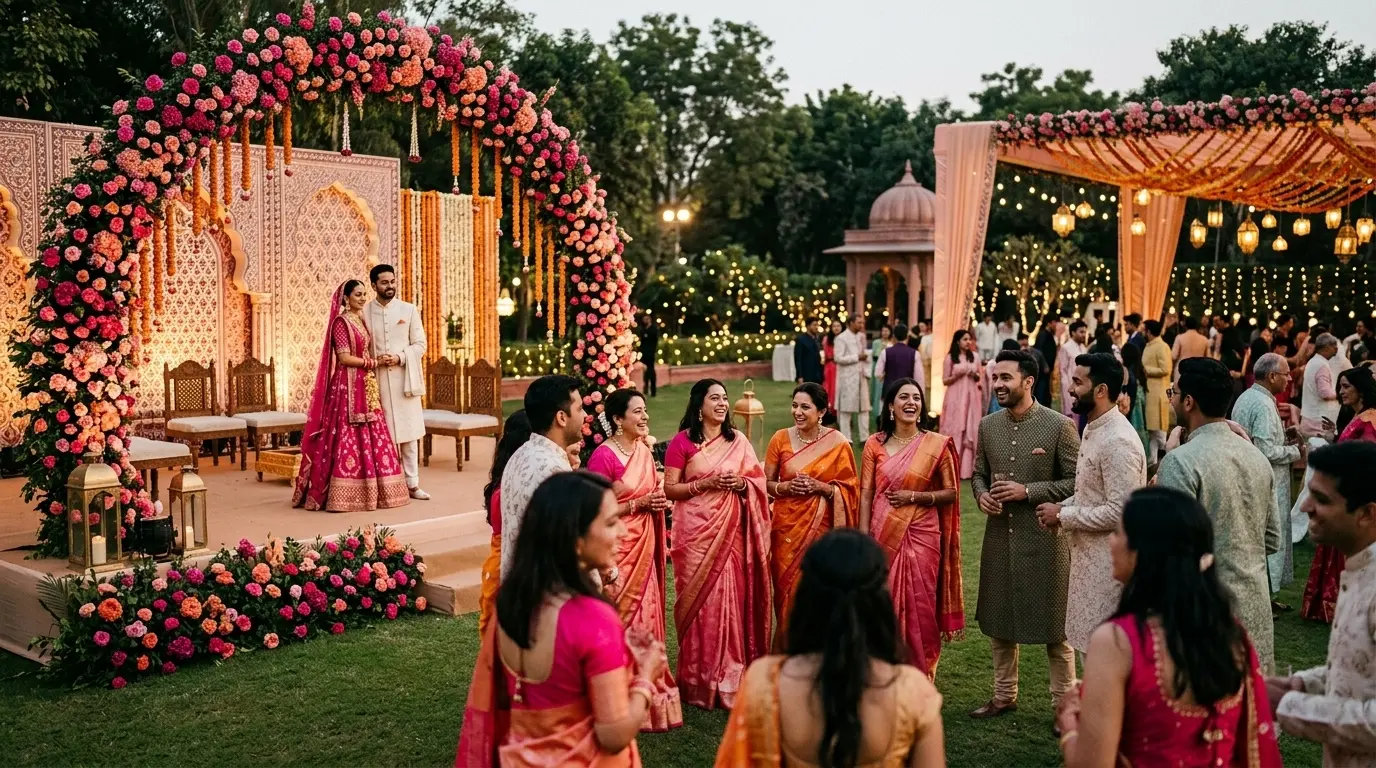
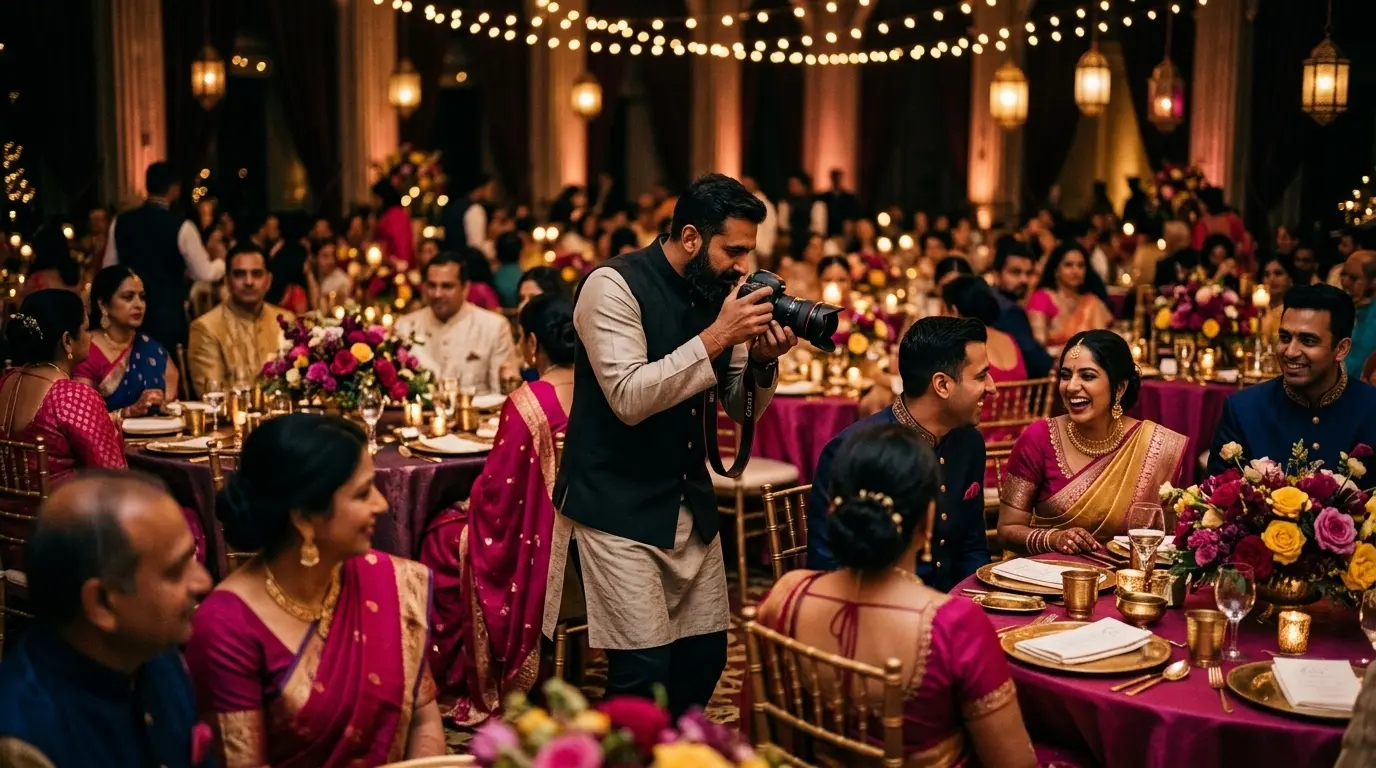
Traditional stage photography focuses on formal, well-lit group portraits against a fixed backdrop, ensuring every relative is formally documented, while roving coverage uses dynamic photojournalism to capture candid emotions, spontaneous laughter, and unscripted guest interactions across the entire celebration.
For couples planning celebrations across Delhi NCR, finding the right harmony between these styles is essential. Elder family members often consider classic stage pictures mandatory for rituals and social keepsakes. At the same time, couples naturally want the unposed, vibrant atmosphere of their Haldi, Mehendi, and Sangeet preserved forever.
Things to Consider Before Choosing Stage Photos or Roving Coverage
Let us understand this step by step. Here is what you should know:
- Family Expectations and Traditional Rituals: Indian weddings thrive on close family ties. Elders expect clear, respectful stage portraits during greetings, Milni, and reception blessings. Stage photography ensures no visiting uncle, aunt, or family elder is missed from the official family record.
- Guest Count and Venue Layout: Sprawling farmhouse properties along Chattarpur or GT Karnal Road feature multiple lawns and dining pavilions. A stationary photographer cannot capture guest laughter near chaat stalls or cocktail lounges. Roving shooters actively bridge these physical distances.
- Pacing Across Multi-Day Functions: Different wedding events demand distinct visual treatments. A structured reception calls for formal stage documentation. Conversely, energetic celebrations like Haldi splashes, Mehendi applications, and late-night Sangeet performances need agile roaming storytellers.
- Team Size and Budget Allocation: Dedicated stage coverage needs fixed lighting stands, diffusers, and calibrated tripod mounts. Roving photographers use lightweight prime lenses to maneuver quickly through crowded dance floors. Splitting these responsibilities affects your overall photography expenditure in ₹ Lakhs. For a deeper perspective on complete ritual documentation packages, review our guide to booking a traditional wedding photographer Delhi couples rely on for multi-day clarity.
- Long-Term Memory Value: Your wedding album serves two distinct purposes over time. Formal stage frames create timeless archives for parents and extended family albums. Roving candid photos preserve raw, emotional glimpses of the moments you never witnessed while greeting guests on stage.
Detailed Comparison: Stage Photography vs Roving Coverage
To help you evaluate your coverage options with transparent clarity, here is how both photography styles compare directly across critical wedding parameters:
| Parameter | Traditional Stage Photography | Roving Coverage |
|---|---|---|
| Core Visual Focus | Formal group archives, structured family poses, and sharp ceremonial greetings. | Spontaneous guest laughter, candid interactions, and atmospheric emotional details. |
| Best Ceremony Fit | Varmala, Reception greetings, formal blessing ceremonies, and royal Nikah or Walima stages. | Haldi ceremonies, Mehendi afternoon sessions, cocktail parties, and high-energy Sangeet dance floors. |
| Equipment Setup | DSLR/Mirrorless bodies on tripods, off-camera studio strobes, beauty dishes, and fixed lighting stands. | Handheld agile camera bodies, fast 35mm or 85mm prime lenses, and discreet ambient speedlights. |
| Typical Delhi NCR Daily Rate | ₹25,000 to ₹50,000 per day for a dedicated stage portrait crew. | ₹35,000 to ₹75,000 per day for an independent roaming candid specialist. |
| Final Output Deliverable | Classic, evenly lit portraits curated primarily for traditional heirloom parent albums. | Artistic documentary storyboards designed for contemporary digital albums and coffee table books. |
Most couples planning celebrations in Delhi NCR choose a combined coverage model rather than picking just one format. Pairing structured stage lighting with candid roaming specialists satisfies parental customs while safeguarding your spontaneous personal memories.
Plan Your Perfect Wedding Coverage with Confidence
Your wedding photos last forever, and finding the right balance should not feel stressful. You do not need to make an absolute choice between traditional discipline and candid storytelling. The most effective approach is balancing your photography crew according to your guest list and venue layout.
Cosmic Wedding makes planning straightforward and transparent. As an online wedding marketplace in Delhi NCR, we connect you with verified wedding photographers in Delhi offering clear, transparent pricing. You can explore verified portfolios, review authentic package rates in ₹ Lakhs, and send direct commission-free enquiries without hidden fees. Industry analyses from organizations like the Professional Photographers of America emphasize that balancing formal portrait lighting with dynamic event photojournalism provides the most resilient visual archives for large family celebrations. When you work with vetted local professionals, you gain complete peace of mind knowing every formal greeting and heartfelt candid smile is preserved forever.